Buy btest.eu ?
We are moving the project
btest.eu .
Are you interested in purchasing the domain
btest.eu ?
domain@kv-gmbh.de · 0541-91531010
Buy btest.eu ?
Is the mass fraction correct?
Without knowing the specific context or details of the mass fraction in question, it is difficult to determine if it is correct. The mass fraction is typically calculated by dividing the mass of a component by the total mass of the mixture. It is important to ensure that all masses are accurately measured and that the calculation is done correctly to determine if the mass fraction is accurate. If there are any errors in measurement or calculation, the mass fraction may not be correct. **
How does one convert from molar fraction to mass fraction?
To convert from molar fraction to mass fraction, you need to know the molar mass of each component in the mixture. First, calculate the mass of each component by multiplying its molar fraction by the total mass of the mixture. Then, divide the mass of each component by the total mass of the mixture to get the mass fraction. Finally, express the mass fraction as a percentage by multiplying by 100. **


Similar search terms for Mass fraction
Top-Angebote
Products related to Mass fraction:
-
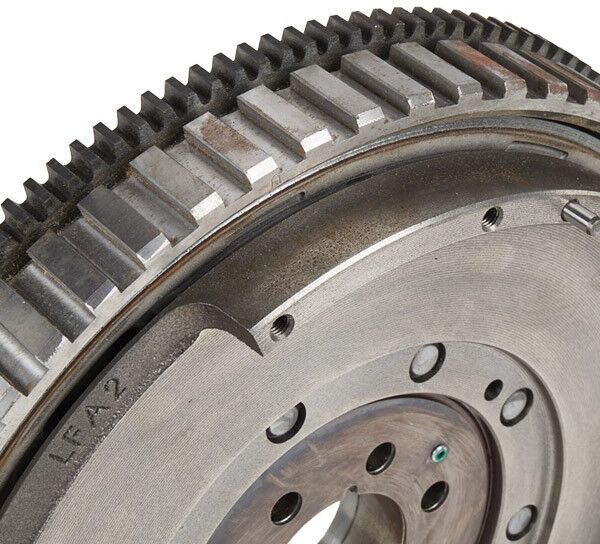
VALEO 836532 Dual mass flywheelEngine Features/Arrangement: for engines with dual-mass flywheel; Diameter: 228; Outer Diameter [mm]: 296; Number of mounting bores: 7; Thread Size: M9 x 1; Supplementary Article / Supplementary Info Info 2: with bolts/screws; Tightening Torque [Nm]: 55, 60; for flywheel depth [mm]: 37; Weight [kg]: 13,2; TecDoc Engine Number: 21224, 17028, 18287; Transmission Type: 6-Speed Manual Transmission, 5-Speed Manual Transmission; Engine Code: F9Q 670, F9Q 750, F9Q820, F9Q.6.70,F9Q.7.50, F9Q.7.54, F9Q.6.80,F9Q.8.20, F9Q.6.64, F9Q.6.50,F9Q.6.64, F9Q.6.50,F9Q.6.70, F9Q.8.20, F9Q.7.50; Construction Year to: 01/2005, 02/2005, 02/2006, 09/2007; Transmission Code: PK6; Construction Year from: 03/2005428,99 £*Shipping: 1,99 £Secure redirect to the provider
-
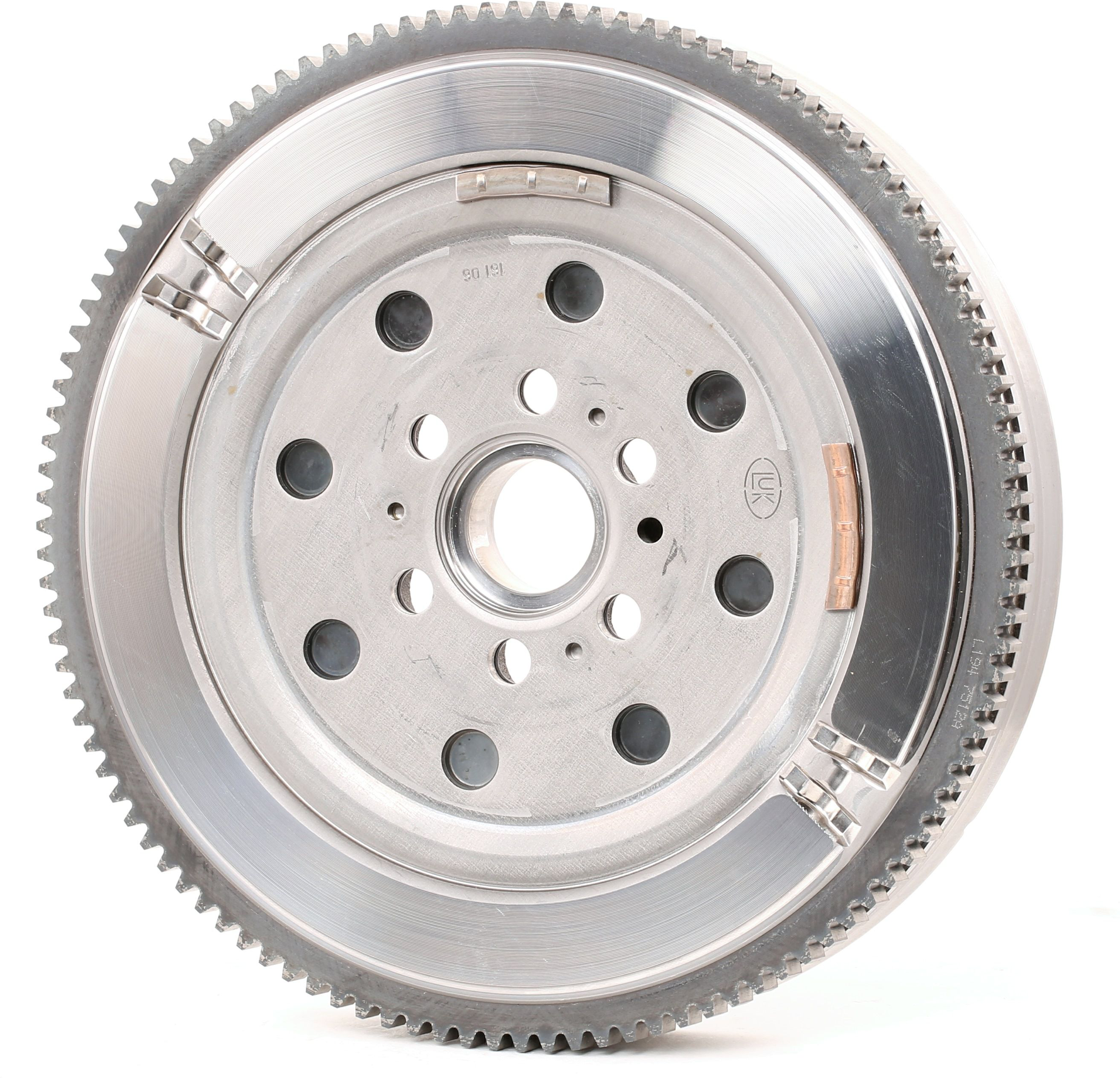
VALEO 836543 Dual mass flywheelEngine Features/Arrangement: for engines with dual-mass flywheel; for flywheel manufacturer: LUK; Outer Diameter [mm]: 287; Number of mounting bores: 6; Tightening Torque [Nm]: 60; Tightening angle [degrees]: 90; for flywheel depth [mm]: 57; Weight [kg]: 12,36; Construction Year from: 09/2008; Construction Year to: 10/2010, 05/2010; TecDoc Engine Number: 20799, 23178, 24963, 20798, 23312; Vehicle Equipment: for vehicles without start-stop function, for vehicles without brake energy recovery; Transmission Type: 6-Speed Manual Transmission; Engine Code: CFFB, CBAB,CFFB, CBAA; Transmission Code: KUG,LMU, LMY,LQU, KUG366,99 £*Shipping: 1,99 £Secure redirect to the provider
-
VALEO 836544 Dual mass flywheelEngine Features/Arrangement: for engines with dual-mass flywheel; for flywheel manufacturer: SACHS; Outer Diameter [mm]: 288; Number of mounting bores: 6; Supplementary Article / Supplementary Info Info 2: with bolts/screws; Tightening Torque [Nm]: 60; Tightening angle [degrees]: 50; for flywheel depth [mm]: 59; Weight [kg]: 11,88; Transmission Code: LNZ, LPR, LQU,NFZ, KXV, NFR, LHD,NFP, LNM, LHD, NFU, NFV, NGH, NFZ, LNN, MQW, JYK,KMZ,KWD,KXD,PNU, MQ-350, GRF,HDU,KXW,LHD,NFP, NFP, JYK, JLT,KXW,LHD,NFP, KUG,LMU, LHD,LNZ, LQU, LMU, MDZ, LNN,NFQ, LNM,NFR, LNZ,MAY, LWR, MAY, MKH, NFQ, NFX, KNW,LNM,NFR; Transmission Type: 6-Speed Manual Transmission, 5-Speed Manual Transmission, 7-Speed Dual-Clutch Transmission; Vehicle Equipment: for vehicles without start-stop function, for vehicles with start-stop function, for vehicles without brake energy recovery; Engine Code: CFFB, CKRA, CFHF, CAYC, CLCB, CFHC, CFFA, CFHB, BLS,BXE, BKC, BLS, BXE, BKD,CFHC, BKD, BXF,BXJ, CBAB,CFFB, CJAA, CFHB,CFHC,CJAA,CLCB, CFHC,CLCB, CFHE; Construction Year from: 11/2010, 01/2010, 02/2010, 02/2011, 05/2013, 05/2010, 03/2010, 05/2011, 10/2010, 06/2010, 11/2009, 09/2010; TecDoc Engine Number: 18224, 23178, 24315, 23179, 24600, 17500, 23587, 24598, 23585, 24839, 25438, 23859, 23938, 17080, 21070, 17468, 18907, 20493, 16862, 22715, 24314, 17357, 24326, 20799, 24963, 20798, 23312, 22678, 23589, 23590, 22639, 34096, 34066, 23586, 24215, 33113, 24366; Construction Year to: 04/2013, 05/2014, 05/2011, 09/2015, 12/2014, 05/2015; for PR number: 0EN; Vehicle Identification Number (VIN) from: 5P_B_000001, 1K_C_000001; for model code/type code: 5N1, 5N2; for model code: 5N1, 5N2320,99 £*Shipping: 1,99 £Secure redirect to the provider



-
How do you convert from molar fraction to mass fraction?
To convert from molar fraction to mass fraction, you first need to determine the molar mass of each component in the mixture. Then, you multiply the molar fraction of each component by its molar mass to get the mass of each component. Finally, divide the mass of each component by the total mass of the mixture and multiply by 100 to get the mass fraction of each component in the mixture. **
-
How can the volume fraction be converted to the mass fraction?
The volume fraction can be converted to the mass fraction by using the density of the substance. The mass fraction can be calculated by multiplying the volume fraction by the density of the substance. This will give the mass of the substance in a given volume, which can then be used to determine the mass fraction. The formula for converting volume fraction to mass fraction is: mass fraction = volume fraction x density. **
-
What is the mass fraction of tachhydrite?
The mass fraction of tachhydrite is the proportion of the total mass of a sample that is made up of tachhydrite. It is calculated by dividing the mass of tachhydrite by the total mass of the sample and multiplying by 100 to get a percentage. This fraction is important in determining the composition and properties of a material, as well as in various scientific and industrial applications. **
-
What is the mass fraction of tachyhydrite?
The mass fraction of tachyhydrite, which is a mineral form of calcium chloride, can vary depending on the specific sample. However, tachyhydrite typically has a mass fraction of around 60-65% calcium chloride. This means that for every 100 grams of tachyhydrite, approximately 60-65 grams would be calcium chloride. The remaining mass fraction would consist of other elements and compounds present in the mineral. **

What is the mass fraction in chemistry?
The mass fraction in chemistry refers to the ratio of the mass of a specific component to the total mass of a mixture or compound. It is often expressed as a percentage and is used to quantify the amount of a particular substance in a sample. Mass fraction is an important concept in analytical chemistry and is used to calculate the composition of mixtures and compounds. It is also used in various industries, such as food and pharmaceuticals, to ensure the quality and consistency of products. **
What is the mass fraction of 3?
The mass fraction of 3 is 3/1, or simply 3. This means that if a mixture or compound contains 3 units of the substance in question for every 1 unit of the total mixture, then the mass fraction of 3 is 3. **
Top-Angebote
Products related to Mass fraction:
-
Market Central Digital Caliper With Large LCD Inch Metric Fraction Measuring Tool Digital Caliper With Large LCD Inch Metric Fraction Measuring ToolGet measurements quickly and clearly without struggling with tiny scale markings. This lightweight digital vernier caliper offers a 150mm measuring range with an easytoread LCD screen for convenient everyday measuring. Switch between inch metric and...34,97 $*Shipping: 0,00 $Secure redirect to the provider
-
Discount Dollar Deals Digital Vernier Caliper, Inch Metric Fraction Conversion Tool, Large LCD Display Plastic Caliper For Precise Measurement Digital Vernier Caliper, Inch Metric Fraction Conversion Tool, Large LCD Display Plastic Caliper For Precise MeaThe Vernier Caliper Plastic Digital Caliper is a musthave tool for anyone needing accurate and efficient measurements. Whether you're a DIY enthusiast, a professional in engineering or woodworking, or a student learning the ropes, this tool delivers...74,97 $*Shipping: 0,00 $Secure redirect to the provider
-
VALEO 836532 Dual mass flywheelEngine Features/Arrangement: for engines with dual-mass flywheel; Diameter: 228; Outer Diameter [mm]: 296; Number of mounting bores: 7; Thread Size: M9 x 1; Supplementary Article / Supplementary Info Info 2: with bolts/screws; Tightening Torque [Nm]: 55, 60; for flywheel depth [mm]: 37; Weight [kg]: 13,2; TecDoc Engine Number: 21224, 17028, 18287; Transmission Type: 6-Speed Manual Transmission, 5-Speed Manual Transmission; Engine Code: F9Q 670, F9Q 750, F9Q820, F9Q.6.70,F9Q.7.50, F9Q.7.54, F9Q.6.80,F9Q.8.20, F9Q.6.64, F9Q.6.50,F9Q.6.64, F9Q.6.50,F9Q.6.70, F9Q.8.20, F9Q.7.50; Construction Year to: 01/2005, 02/2005, 02/2006, 09/2007; Transmission Code: PK6; Construction Year from: 03/2005428,99 £*Shipping: 1,99 £Secure redirect to the provider
-
Is the mass fraction correct?
Without knowing the specific context or details of the mass fraction in question, it is difficult to determine if it is correct. The mass fraction is typically calculated by dividing the mass of a component by the total mass of the mixture. It is important to ensure that all masses are accurately measured and that the calculation is done correctly to determine if the mass fraction is accurate. If there are any errors in measurement or calculation, the mass fraction may not be correct. **
-
How does one convert from molar fraction to mass fraction?
To convert from molar fraction to mass fraction, you need to know the molar mass of each component in the mixture. First, calculate the mass of each component by multiplying its molar fraction by the total mass of the mixture. Then, divide the mass of each component by the total mass of the mixture to get the mass fraction. Finally, express the mass fraction as a percentage by multiplying by 100. **
-
How do you convert from molar fraction to mass fraction?
To convert from molar fraction to mass fraction, you first need to determine the molar mass of each component in the mixture. Then, you multiply the molar fraction of each component by its molar mass to get the mass of each component. Finally, divide the mass of each component by the total mass of the mixture and multiply by 100 to get the mass fraction of each component in the mixture. **
-
How can the volume fraction be converted to the mass fraction?
The volume fraction can be converted to the mass fraction by using the density of the substance. The mass fraction can be calculated by multiplying the volume fraction by the density of the substance. This will give the mass of the substance in a given volume, which can then be used to determine the mass fraction. The formula for converting volume fraction to mass fraction is: mass fraction = volume fraction x density. **
Similar search terms for Mass fraction
-
VALEO 836543 Dual mass flywheelEngine Features/Arrangement: for engines with dual-mass flywheel; for flywheel manufacturer: LUK; Outer Diameter [mm]: 287; Number of mounting bores: 6; Tightening Torque [Nm]: 60; Tightening angle [degrees]: 90; for flywheel depth [mm]: 57; Weight [kg]: 12,36; Construction Year from: 09/2008; Construction Year to: 10/2010, 05/2010; TecDoc Engine Number: 20799, 23178, 24963, 20798, 23312; Vehicle Equipment: for vehicles without start-stop function, for vehicles without brake energy recovery; Transmission Type: 6-Speed Manual Transmission; Engine Code: CFFB, CBAB,CFFB, CBAA; Transmission Code: KUG,LMU, LMY,LQU, KUG366,99 £*Shipping: 1,99 £Secure redirect to the provider
-
VALEO 836544 Dual mass flywheelEngine Features/Arrangement: for engines with dual-mass flywheel; for flywheel manufacturer: SACHS; Outer Diameter [mm]: 288; Number of mounting bores: 6; Supplementary Article / Supplementary Info Info 2: with bolts/screws; Tightening Torque [Nm]: 60; Tightening angle [degrees]: 50; for flywheel depth [mm]: 59; Weight [kg]: 11,88; Transmission Code: LNZ, LPR, LQU,NFZ, KXV, NFR, LHD,NFP, LNM, LHD, NFU, NFV, NGH, NFZ, LNN, MQW, JYK,KMZ,KWD,KXD,PNU, MQ-350, GRF,HDU,KXW,LHD,NFP, NFP, JYK, JLT,KXW,LHD,NFP, KUG,LMU, LHD,LNZ, LQU, LMU, MDZ, LNN,NFQ, LNM,NFR, LNZ,MAY, LWR, MAY, MKH, NFQ, NFX, KNW,LNM,NFR; Transmission Type: 6-Speed Manual Transmission, 5-Speed Manual Transmission, 7-Speed Dual-Clutch Transmission; Vehicle Equipment: for vehicles without start-stop function, for vehicles with start-stop function, for vehicles without brake energy recovery; Engine Code: CFFB, CKRA, CFHF, CAYC, CLCB, CFHC, CFFA, CFHB, BLS,BXE, BKC, BLS, BXE, BKD,CFHC, BKD, BXF,BXJ, CBAB,CFFB, CJAA, CFHB,CFHC,CJAA,CLCB, CFHC,CLCB, CFHE; Construction Year from: 11/2010, 01/2010, 02/2010, 02/2011, 05/2013, 05/2010, 03/2010, 05/2011, 10/2010, 06/2010, 11/2009, 09/2010; TecDoc Engine Number: 18224, 23178, 24315, 23179, 24600, 17500, 23587, 24598, 23585, 24839, 25438, 23859, 23938, 17080, 21070, 17468, 18907, 20493, 16862, 22715, 24314, 17357, 24326, 20799, 24963, 20798, 23312, 22678, 23589, 23590, 22639, 34096, 34066, 23586, 24215, 33113, 24366; Construction Year to: 04/2013, 05/2014, 05/2011, 09/2015, 12/2014, 05/2015; for PR number: 0EN; Vehicle Identification Number (VIN) from: 5P_B_000001, 1K_C_000001; for model code/type code: 5N1, 5N2; for model code: 5N1, 5N2320,99 £*Shipping: 1,99 £Secure redirect to the provider
-
VALEO 836561 Dual mass flywheelEngine Features/Arrangement: for engines with dual-mass flywheel; Outer Diameter [mm]: 288; Number of mounting bores: 6; Supplementary Article / Supplementary Info Info 2: with bolts/screws; Tightening Torque [Nm]: 60; Tightening angle [degrees]: 50; for flywheel depth [mm]: 51; Weight [kg]: 11,45; TecDoc Engine Number: 16413, 10814, 10927, 4990, 4987, 14988, 4202, 13774, 12588, 11527, 16133; Engine Number from: 020001, 200 001; Engine Code: AFN, AVG, AJM, AWX, AHH,AHU, AFN,AVG, AFN,AJM,AVG; Transmission Code: APL,DHF, EEN, DHF,EEN, DGW,EEP, EEP, DUK, DGW, DHL, APL,DHF,EEN, DHL,DVS,EAB, DHL,DVS, DHF,DHV, DHF, DHF,DUK,EEN; Transmission Type: 5-Speed Manual Transmission; Construction Year from: 01/1999, 08/1999, 03/1997, 02/1996, 08/1997; Construction Year to: 07/1999, 01/2000, 08/2000, 10/2000308,99 £*Shipping: 1,99 £Secure redirect to the provider
-
VALEO 836571 Dual mass flywheelEngine Features/Arrangement: for engines with dual-mass flywheel; Outer Diameter [mm]: 307; Number of mounting bores: 8; Supplementary Article / Supplementary Info Info 2: with bolts/screws; Tightening Torque [Nm]: 60; Tightening angle [degrees]: 50; for flywheel depth [mm]: 71; Weight [kg]: 15,22; Transmission Type: 6-Speed Manual Transmission; Construction Year to: 05/2009, 06/2009; for special equipment code: M018; Vehicle Identification Number (VIN) to: 30383305, 30383306; Construction Year from: 04/2006, 05/2007, 09/2007; Engine Code: 646.821, 646.820, 646.811,646.812, 646.811; Transmission Code: 716.654, 716.655, 716.657543,99 £*Shipping: 1,99 £Secure redirect to the provider
-
What is the mass fraction of tachhydrite?
The mass fraction of tachhydrite is the proportion of the total mass of a sample that is made up of tachhydrite. It is calculated by dividing the mass of tachhydrite by the total mass of the sample and multiplying by 100 to get a percentage. This fraction is important in determining the composition and properties of a material, as well as in various scientific and industrial applications. **
-
What is the mass fraction of tachyhydrite?
The mass fraction of tachyhydrite, which is a mineral form of calcium chloride, can vary depending on the specific sample. However, tachyhydrite typically has a mass fraction of around 60-65% calcium chloride. This means that for every 100 grams of tachyhydrite, approximately 60-65 grams would be calcium chloride. The remaining mass fraction would consist of other elements and compounds present in the mineral. **
-
What is the mass fraction in chemistry?
The mass fraction in chemistry refers to the ratio of the mass of a specific component to the total mass of a mixture or compound. It is often expressed as a percentage and is used to quantify the amount of a particular substance in a sample. Mass fraction is an important concept in analytical chemistry and is used to calculate the composition of mixtures and compounds. It is also used in various industries, such as food and pharmaceuticals, to ensure the quality and consistency of products. **
-
What is the mass fraction of 3?
The mass fraction of 3 is 3/1, or simply 3. This means that if a mixture or compound contains 3 units of the substance in question for every 1 unit of the total mixture, then the mass fraction of 3 is 3. **
* All prices are inclusive of VAT and, if applicable, plus shipping costs. The offer information is based on the details provided by the respective shop and is updated through automated processes. Real-time updates do not occur, so deviations can occur in individual cases. ** Note: Parts of this content were created by AI.